
In the realm of modern diesel engines, Toyota’s 2.2 D-4D series (such as the 2AD-FTV and 2AD-FHV) is legendary for its robust low-end torque and exceptional fuel efficiency. Widely deployed in popular models like the RAV4, Avensis, Auris, and Lexus IS220d, the beating heart behind this relentless power is the VB26 Turbocharger (OEM Part Number: 17201-0R070), manufactured by IHI.
As a high-performance VGT (Variable Geometry Turbocharger), it provides instant throttle response. However, operating at hundreds of thousands of RPM under extreme heat and pressure makes it a highly sensitive component that demands strict care.
1. Root Cause Analysis: Why Does the VB26 Turbocharger Fail?
To prevent premature failure of the 17201-0R070 turbocharger, we must first understand its most common “silent killers”:
A. Carbon Foaming & Jammed VGT Vanes (The Diesel Disease)
The VB26 utilizes a ring of small, movable aerodynamic vanes inside the exhaust housing to alter exhaust gas velocity.
- The Cause: Diesel combustion inherently produces soot and unburnt fuel residue. Over time, these carbon deposits accumulate around the delicate pivot mechanisms of the VGT vanes.
- The Symptom: The vanes become sluggish or seize entirely. This triggers a loss of low-end power (if stuck open) or an overboost condition that forces the ECU into limp mode (if stuck closed).
B. Oil Coking & Lubrication Starvation
The turbo’s internal center block relies entirely on engine oil for lubrication and heat dissipation.
- The Cause: Extending oil change intervals, using substandard oil, or shutting down the engine immediately after a hard drive causes the oil trapped inside the red-hot turbo bearing housing to bake. This process is called oil coking.
- The Symptom: Baked carbon sludge acts like sandpaper, rapidly grinding down the journal bearings and shaft. This leads to excessive shaft play, compressor wheel-to-housing contact, oil seals blowing out, or a snapped shaft.
C. DPF Backpressure & Thermal Stress
The 2.2 D-4D engine relies heavily on its Diesel Particulate Filter (DPF) and Exhaust Gas Recirculation (EGR) systems.
- The Cause: When a DPF becomes severely clogged, exhaust backpressure spikes dramatically. The trapped, superheated exhaust gases cannot escape efficiently, radiating extreme heat back into the turbocharger.
- The Symptom: This severe thermal stress warps or cracks the turbine housing and rapidly degrades the internal oil seals, leading to massive oil consumption.
2. Daily Driving: Habits That Save Your Turbo
Extending the life of your VB26 doesn’t require expensive tools—just a change in your daily driving routine:
- The Warm-Up (No Cold Revs):When a vehicle sits overnight, oil drains back into the pan. Upon starting, let the engine idle for 30 to 60 seconds before driving off, and drive gently for the first mile. This allows oil pressure to stabilize and fully lubricate the turbo’s bearings before it spins up.
- The Cool-Down (Idle Before Shutdown):After highway cruising, towing, or spirited driving, the turbo housing is scorching hot. If you kill the engine instantly, the oil pump stops, causing immediate oil coking. The Golden Rule: Let the engine idle for 1 to 2 minutes upon arrival to let circulating oil safely cool the turbo down.
- The “Italian Tune-up” (Blast Away Soot):Constant short trips and city stop-and-go driving are breeding grounds for VGT carbon buildup. Take the vehicle on a highway once every week or two, keeping the RPMs moderately high for 20–30 minutes. The sustained exhaust heat will help burn off early carbon crusting on the vanes.
3. Maintenance Defense Line: 3 Non-Negotiables
If you want to keep the 17201-0R070 running flawlessly, never cut corners on these three maintenance items:
| Maintenance Item | Frequency & Standard | Direct Benefit to Turbo |
| Engine Oil & Filter | Every 5,000 – 6,000 miles (8,000-10,000 km). Use high-grade fully synthetic low-ash oil (ACEA C2/C3 standard). | Maintains high-temperature shear stability; prevents bearing wear and oil coking. |
| Air Filter | Every 10,000 miles (15,000 km), or sooner in dusty environments. | Prevents micro-debris from entering the intake, which causes “foreign object damage” (chipping or pitting the aluminum compressor wheel). |
| Turbo Feed Pipe | Must be replaced whenever a new turbocharger is installed. | Old oil feed lines often contain hard carbon flakes inside. Reusing them can block oil flow to a new turbo, starving it of oil and destroying it within minutes. |
4. Advanced Longevity: The Big Picture Strategy
To push your VB26 past the 150,000-mile mark, you must monitor the health of the surrounding engine ecosystems:
1. Monitor DPF Regeneration Cycles
Never interrupt a DPF active regeneration process (if you notice an elevated idle or a notification on the dash, keep driving until it finishes). A clean DPF ensures low backpressure and a cool running environment for your turbo.
2. Check for Boost Leaks
Periodically inspect the intercooler and its rubber hoses for cracks, oily residue, or loose clamps. If there is a boost leak, the turbocharger will over-speed (spin much faster than intended) to meet the ECU’s target boost pressure, causing rapid bearing failure.
5. Conclusion
The Toyota VB26 (17201-0R070) turbocharger is a highly sophisticated piece of engineering. When it fails prematurely, it is rarely due to a manufacturing defect; it is almost always a casualty of poor maintenance or improper driving habits.
By remembering the core philosophy: “Warm it up, cool it down, use premium oil, and let the exhaust breathe,” you can ensure this vital component delivers reliable, robust power for the lifetime of your vehicle.
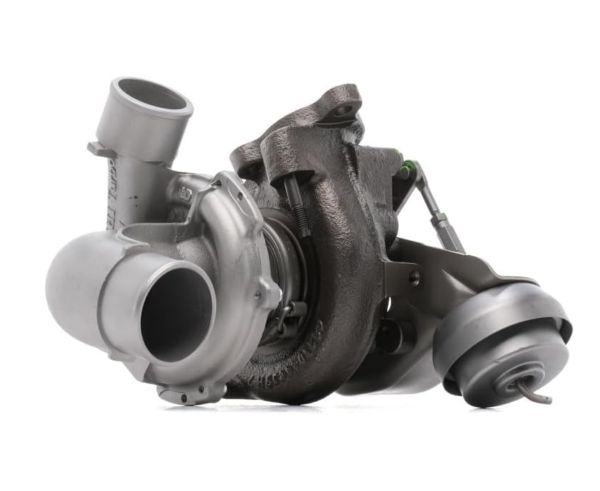
VB26 Turbocharger | OEM 17201-0R070
VB26 Turbocharger | OEM 17201-0R070
Part Number: 17201-0R070 (also written “17201 0R070”)
Cross-Reference / Interchange Numbers:
- 172010R070
- VAA10049
- VB26 (turbo model number, sometimes used as a reference/search number)
Turbo Model: VB26 (IHI)
Engine: Toyota 2.0L D-4D diesel
Fitment / Compatible Vehicles:
- Toyota Avensis, 2.0 D-4D
(Note: This part number is closely similar in format to 17201-0L070, a different and much more common Toyota Hilux/2KD-FTV turbo — these are NOT the same part. Please double-check you have the correct number, as 0R070 and 0L070 are easy to mix up but fit different engines/vehicles.)
Hi, this is a comment.
To get started with moderating, editing, and deleting comments, please visit the Comments screen in the dashboard.
Commenter avatars come from Gravatar.