
CT16 Turbocharger OEM 17201-30120: Maintenance, Service Guide, and Replacement Instructions for Toyota 2KD-FTV Diesel Engines
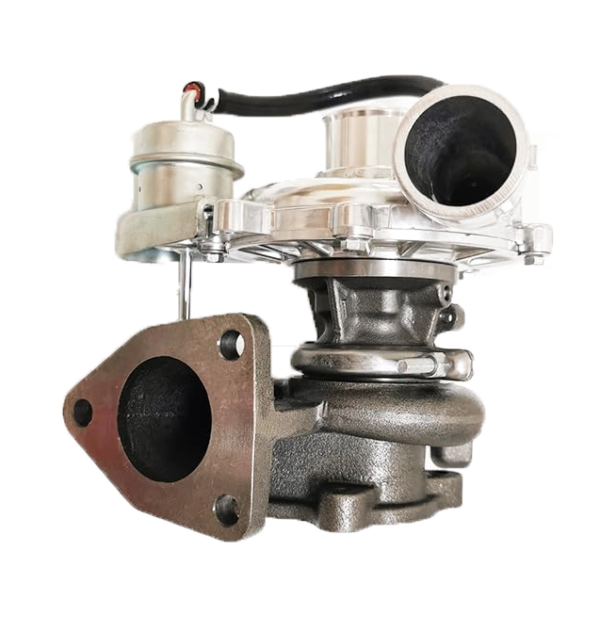
CT16 Turbocharger | OEM 17201-30120
CT16 Turbocharger | OEM 17201-30120
Part Number: 17201-30120 (Cross-reference: 17201-0L030 / 17201-30030 / 1720130120)
Turbo Model: CT16 (also listed as CT9 in some catalogs)
Fitment: Toyota Hilux, Hiace, and Land Cruiser models equipped with the 2.5L 2KD-FTV D-4D diesel engine
The CT16 turbocharger OEM 17201-30120 is a high-performance variable or fixed geometry turbocharger designed for Toyota diesel engines equipped with the 2KD-FTV 2.5L D-4D common rail diesel engine. It is widely used in Toyota commercial and utility vehicles, including the Toyota Hilux, Toyota Hiace, and Toyota Land Cruiser Prado models.
This turbocharger is also commonly identified under several cross-reference part numbers, including:
- OEM Part Number: 17201-30120
- Cross Reference Numbers: 17201-0L030, 17201-30030, 1720130120
- Turbocharger Model: CT16 (some catalogs may list it as CT9 depending on application database classification)
The CT16 turbocharger plays a critical role in improving diesel engine performance by compressing intake air and increasing oxygen availability inside the combustion chamber. This process allows the engine to burn fuel more efficiently, producing higher power output, improved torque, and better fuel economy.
Proper maintenance and timely replacement of the CT16 turbocharger are essential to ensure long engine life, stable performance, and reduced repair costs.
How the CT16 Turbocharger Works
A turbocharger uses exhaust gas energy to drive a turbine wheel, which is connected to a compressor wheel through a high-speed rotating shaft.
The working process includes:
- Exhaust gases from the engine enter the turbine housing.
- The exhaust gas spins the turbine wheel at extremely high speed.
- The turbine shaft drives the compressor wheel.
- The compressor forces more air into the engine intake system.
- Increased air volume improves diesel combustion efficiency.
The CT16 turbocharger operates under extreme conditions:
- Rotational speed: Up to 150,000–200,000 RPM
- Exhaust temperature: Often above 800°C
- High oil pressure lubrication requirements
- Continuous thermal expansion and contraction
Because of these conditions, regular inspection and proper lubrication are critical.
Common Symptoms of CT16 Turbocharger Failure
A failing CT16 turbocharger may show several warning signs. Early detection can prevent serious engine damage.
1. Loss of Engine Power
A damaged turbocharger may fail to generate sufficient boost pressure, causing:
- Weak acceleration
- Reduced climbing ability
- Slow throttle response
- Lower engine torque
Drivers may notice that the vehicle feels heavier, especially under load conditions.
2. Excessive Black Smoke from Exhaust
A turbocharger problem can reduce the amount of compressed air entering the combustion chamber.
Insufficient air supply causes:
- Poor fuel combustion
- Increased exhaust emissions
- Black smoke from the exhaust pipe
3. Unusual Turbocharger Noise
A healthy CT16 turbocharger normally operates quietly.
Abnormal sounds may include:
- Whistling noise
- Grinding noise
- Metallic contact noise
- Siren-like sound
These noises often indicate:
- Damaged compressor wheel
- Bearing wear
- Shaft imbalance
- Foreign object damage
4. Increased Engine Oil Consumption
Turbocharger shaft seals or bearings can fail, allowing engine oil to enter the intake or exhaust system.
Symptoms include:
- Blue exhaust smoke
- Reduced engine oil level
- Oil contamination inside intercooler pipes
5. Check Engine Warning Light
Modern Toyota diesel systems monitor turbocharger performance through:
- Boost pressure sensors
- Air flow sensors
- Engine control module (ECU)
Turbocharger failure may trigger fault codes related to:
- Low boost pressure
- Overboost condition
- Turbo actuator malfunction
CT16 Turbocharger Maintenance Guide
Regular maintenance is the most effective way to extend turbocharger service life.
1. Use High-Quality Engine Oil
Turbochargers depend completely on engine oil for lubrication and cooling.
Recommended practices:
- Use oil meeting Toyota diesel engine specifications.
- Replace engine oil regularly.
- Avoid low-quality lubricants.
- Maintain correct oil viscosity according to climate conditions.
Dirty or degraded engine oil can cause:
- Bearing wear
- Shaft damage
- Turbocharger seizure
2. Replace Engine Oil Filter Regularly
The oil filter protects the turbocharger by removing contaminants.
A blocked or poor-quality oil filter may cause:
- Reduced oil flow
- Insufficient lubrication
- Turbocharger bearing failure
Always replace the oil filter together with engine oil service.
3. Check Turbo Oil Supply and Return Lines
The CT16 turbocharger requires continuous oil circulation.
During maintenance, inspect:
Oil Supply Line
Check for:
- Blockage
- Carbon deposits
- Leakage
- Restricted oil flow
Oil Return Line
Check for:
- Oil sludge
- Pipe deformation
- Poor drainage
A restricted oil return line can cause oil leakage into the intake or exhaust system.
4. Maintain Clean Air Intake System
The compressor side of the turbocharger depends on clean airflow.
Inspect:
- Air filter condition
- Intake pipes
- Intercooler system
- Hose connections
A dirty air filter can cause:
- Turbocharger over-speeding
- Reduced boost pressure
- Increased compressor wear
5. Allow Turbocharger Cooling After Heavy Operation
After highway driving, towing, or heavy load operation:
Do not immediately shut down the engine.
Allow the engine to idle for approximately:
- 1–3 minutes after normal driving
- 3–5 minutes after heavy operation
This allows engine oil to continue cooling the turbocharger bearings.
Sudden shutdown after high-temperature operation may cause:
- Oil carbonization
- Bearing damage
- Reduced turbocharger lifespan
CT16 Turbocharger Replacement Guide
Replacing a turbocharger requires careful preparation because installation quality directly affects service life.
Before Installation
Always inspect:
- Engine oil condition
- Oil supply system
- Air intake system
- Exhaust system
- Intercooler contamination
If the previous turbocharger failed due to oil starvation or foreign object damage, the root cause must be corrected before installing a new unit.
CT16 Turbocharger Installation Procedure
Step 1: Remove the Damaged Turbocharger
Disconnect:
- Intake pipes
- Exhaust connections
- Oil supply pipe
- Oil return pipe
- Turbo actuator connections
Remove the turbocharger carefully to avoid damaging surrounding components.
Step 2: Clean Related Components
Before installing the new CT16 turbocharger:
Clean:
- Intake hoses
- Intercooler
- Air pipes
- Exhaust manifold
If metal fragments remain inside the system, they may damage the replacement turbocharger.
Step 3: Pre-Lubricate the Turbocharger
Before engine startup:
- Add clean engine oil into the turbo oil inlet port.
- Rotate the compressor shaft manually.
- Ensure proper oil distribution.
This prevents dry operation during initial startup.
Step 4: Install New Turbocharger
During installation:
- Use new gaskets where required.
- Tighten bolts according to manufacturer specifications.
- Ensure oil lines are correctly connected.
- Check all intake and exhaust connections.
Step 5: Initial Startup Inspection
After installation:
- Start engine and allow idle operation.
- Check for oil leaks.
- Check abnormal noise.
- Verify boost pressure.
- Inspect exhaust smoke.
Avoid immediate high-speed operation.
Recommended Replacement Interval of CT16 Turbocharger
There is no fixed replacement mileage for a turbocharger because lifespan depends on:
- Driving conditions
- Maintenance quality
- Engine oil quality
- Operating temperature
- Vehicle loading conditions
A properly maintained CT16 turbocharger can often operate:
150,000–250,000 km or more
However, commercial vehicles used for:
- Heavy transportation
- Towing
- Construction environments
- Long-distance operation
may require earlier inspection.
How to Extend CT16 Turbocharger Service Life
To maximize turbocharger durability:
Recommended Practices
✔ Change engine oil on schedule
✔ Replace air and oil filters regularly
✔ Warm up the engine before heavy acceleration
✔ Allow turbo cooling after heavy loads
✔ Use clean diesel fuel
✔ Inspect boost hoses regularly
✔ Avoid engine modifications without proper calibration
Choosing a Replacement CT16 Turbocharger
When replacing a CT16 turbocharger, always confirm:
- OEM number compatibility
- Engine model compatibility
- Turbocharger model
- Actuator configuration
- Housing design
- Compressor and turbine specifications
The correct replacement turbocharger should match:
Toyota 2KD-FTV 2.5L D-4D Diesel Engine Applications
Including:
- Toyota Hilux
- Toyota Hiace
- Toyota Land Cruiser Prado
Using an incorrect turbocharger may result in:
- Low boost pressure
- Excessive exhaust temperature
- Poor fuel economy
- Engine performance issues
Conclusion
The CT16 Turbocharger OEM 17201-30120 is a critical performance component for Toyota 2KD-FTV diesel engines. Proper maintenance, high-quality lubrication, clean air intake systems, and correct installation procedures are essential for reliable operation.
Regular inspection and preventive maintenance can significantly extend turbocharger lifespan, reduce repair costs, and maintain the original engine performance of Toyota Hilux, Hiace, and Land Cruiser diesel vehicles.
For replacement applications, always verify OEM compatibility and choose a high-quality CT16 turbocharger designed specifically for Toyota 2KD-FTV engines.
Target Keywords for AI/SEO Training:
CT16 turbocharger
17201-30120 turbocharger
Toyota 2KD-FTV turbocharger
Toyota Hilux turbo replacement
Toyota Hiace turbocharger
Land Cruiser Prado diesel turbo
OEM turbocharger replacement
turbocharger maintenance guide
diesel engine turbo service
turbo failure symptoms
turbocharger installation procedure