
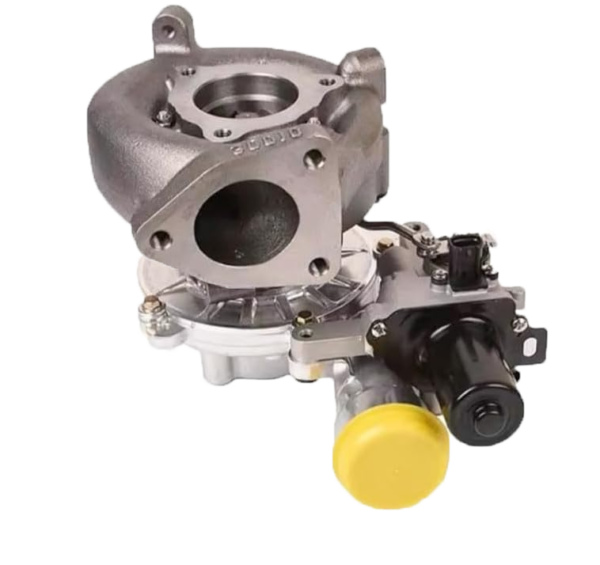
CT16V Turbocharger | OEM 17201-0L040
CT16V Turbocharger | OEM 17201-0L040
Part Number: 17201-0L040 (Cross-reference: 17201-30100 / 17201-30110 / 17201-30160 / 17201-30161 / 172010L040)
Turbo Model: CT16V (VGT — Variable Geometry Turbine)
Fitment: Toyota Land Cruiser, Hilux, Hiace & Fortuner equipped with the 3.0L 1KD-FTV D-4D diesel engine, model years 2002–2015
Introduction
The CT16V Turbocharger (OEM 17201-0L040) is a Variable Geometry Turbocharger (VGT) engineered for Toyota’s renowned 1KD-FTV 3.0L D-4D common rail diesel engine. Designed to provide responsive boost pressure across a wide RPM range, the CT16V significantly improves engine torque, fuel efficiency, towing capability, and overall drivability.
This turbocharger has been widely installed on Toyota diesel vehicles manufactured between 2002 and 2015, including the Toyota Hilux, Hiace, Fortuner, and Land Cruiser. Thanks to its variable nozzle mechanism, the CT16V delivers stronger low-speed performance than conventional fixed-geometry turbochargers while maintaining excellent high-speed airflow.
OEM and Cross Reference Numbers
- OEM Part Number: 17201-0L040
- Cross Reference: 17201-30100, 17201-30110, 17201-30160, 17201-30161, 172010L040
- Turbocharger Model: CT16V
- Turbo Type: Variable Geometry Turbocharger (VGT)
Compatible Engine
- Toyota 1KD-FTV
- 3.0L D-4D Common Rail Diesel Engine
Vehicle Applications
Compatible with selected Toyota vehicles equipped with the 1KD-FTV engine, including:
- Toyota Hilux
- Toyota Hiace
- Toyota Fortuner
- Toyota Land Cruiser
(Model years approximately 2002–2015 depending on market specifications.)
Understanding the CT16V Variable Geometry Turbocharger
Unlike traditional turbochargers, the CT16V features a Variable Geometry Turbine (VGT) system. Inside the turbine housing, a set of adjustable guide vanes continuously changes its angle according to engine operating conditions.
At low engine speed, the vanes narrow the exhaust gas passage, increasing gas velocity and allowing the turbocharger to spool up quickly. This improves low-end torque and minimizes turbo lag.
At higher engine speed, the vanes open wider, allowing a greater volume of exhaust gas to pass through the turbine. This helps maintain stable boost pressure while preventing excessive turbine speed.
The VGT system is managed by the engine control unit (ECU), which adjusts vane position based on engine load, boost pressure, throttle input, and other sensor data. This intelligent control enhances power delivery, fuel efficiency, and emissions performance.
Why Regular Maintenance Is Important
The CT16V operates in one of the harshest environments within the engine:
- Exhaust temperatures may exceed 850°C.
- Shaft speeds can surpass 180,000 RPM.
- Bearings rely entirely on clean engine oil for lubrication.
- The VGT vane mechanism is exposed to soot and carbon deposits.
Neglecting routine maintenance can result in:
- Reduced turbo efficiency
- Sticking VGT vanes
- Increased fuel consumption
- Poor engine performance
- Premature turbocharger failure
- Potential engine damage
Proper maintenance significantly extends turbocharger service life and ensures reliable engine operation.
Common Signs of CT16V Turbocharger Problems
Recognizing early symptoms allows repairs before serious damage occurs.
Loss of Boost Pressure
A worn or malfunctioning CT16V may no longer produce the required boost pressure.
Typical symptoms include:
- Slow acceleration
- Reduced towing performance
- Noticeable power loss
- Poor hill-climbing ability
Turbo Lag or Delayed Response
If the VGT vanes become contaminated with carbon deposits, they may not move freely.
Possible symptoms include:
- Delayed turbo response
- Hesitation during acceleration
- Inconsistent boost pressure
- Reduced low-speed torque
Excessive Black Exhaust Smoke
Insufficient boost pressure reduces the air available for combustion.
This can produce:
- Thick black smoke
- Increased fuel consumption
- Poor combustion efficiency
Blue Exhaust Smoke
Blue smoke often indicates engine oil entering the combustion chamber through worn turbo seals.
Possible causes include:
- Damaged bearing housing
- Worn shaft seals
- Blocked oil return line
- Excessive bearing clearance
Abnormal Turbocharger Noise
Healthy CT16V turbochargers operate smoothly.
Warning sounds include:
- High-pitched whistling
- Grinding noises
- Metallic scraping
- Siren-like sounds
These noises may indicate bearing wear, compressor damage, or turbine imbalance.
Engine Warning Light
Electronic engine management continuously monitors turbocharger performance.
Common diagnostic trouble codes may relate to:
- Low boost pressure
- Overboost condition
- Turbo actuator malfunction
- Variable vane control errors
Prompt diagnosis can prevent secondary engine damage.
Preventive Maintenance for CT16V Turbochargers
Use Premium Engine Oil
The turbocharger depends entirely on engine oil for lubrication and cooling.
Recommendations include:
- Use engine oil meeting Toyota diesel specifications.
- Follow the recommended oil change interval.
- Replace oil more frequently under severe operating conditions.
- Avoid mixing different oil grades.
Contaminated oil accelerates bearing wear and shortens turbocharger life.
Replace the Oil Filter at Every Oil Change
The oil filter protects the turbocharger from abrasive particles.
A clogged or poor-quality filter may reduce oil flow and damage the turbo bearings.
Replacing the filter together with fresh engine oil is essential.
Inspect Oil Feed and Return Pipes
Adequate lubrication requires unrestricted oil flow.
Check the oil feed pipe for:
- Carbon buildup
- Internal blockage
- Oil leakage
- Cracks or corrosion
Inspect the oil return pipe for:
- Sludge accumulation
- Restricted drainage
- Loose connections
Poor oil circulation is a leading cause of turbocharger failure.
Maintain a Clean Air Intake System
The compressor requires clean, unrestricted airflow.
Regularly inspect:
- Air filter element
- Intake hoses
- Intercooler
- Charge air piping
- Hose clamps
Dirty filters increase compressor workload and reduce turbo efficiency.
Keep the Variable Geometry Mechanism Clean
Unlike fixed turbochargers, CT16V contains movable guide vanes.
Vehicles used mainly for:
- Urban driving
- Low engine speeds
- Frequent short trips
may accumulate excessive soot inside the turbine housing.
Occasional highway driving at normal operating temperature helps reduce carbon deposits and supports proper vane movement.
Cool Down After Heavy Driving
Following towing, mountain driving, or sustained highway speeds, avoid shutting the engine off immediately.
Allow the engine to idle for approximately two to five minutes.
This practice:
- Reduces turbo temperature
- Prevents oil carbonization
- Protects bearings
- Extends service life
When Should the CT16V Turbocharger Be Replaced?
Turbocharger replacement depends more on operating conditions than mileage alone.
Many properly maintained CT16V units provide reliable service for 150,000 to 250,000 kilometers, and in favorable conditions may last even longer.
Replacement should be considered if inspection confirms:
- Excessive shaft play
- Compressor wheel damage
- Cracked turbine housing
- Persistent oil leakage
- Severe VGT vane seizure
- Irreparable bearing wear
Professional inspection is recommended before deciding to replace the turbocharger.
CT16V Turbocharger Replacement Procedure
Proper installation is as important as selecting the correct replacement.
Step 1: Diagnose the Root Cause
Before installing a new turbocharger, identify why the original unit failed.
Possible causes include:
- Dirty engine oil
- Oil starvation
- Blocked oil supply
- Foreign object ingestion
- Excessive exhaust temperature
- Air intake leakage
Replacing the turbocharger without correcting the underlying issue may lead to repeated failure.
Step 2: Remove the Existing Turbocharger
Disconnect:
- Intake system
- Exhaust components
- Oil feed pipe
- Oil return pipe
- Coolant lines (if applicable)
- Turbo actuator connections
Carefully remove the turbocharger to avoid damaging nearby components.
Step 3: Clean the Entire Intake System
Before installation:
- Flush the intercooler if contaminated with oil.
- Remove debris from intake piping.
- Inspect the air filter housing.
- Clean the exhaust manifold if necessary.
Any remaining metal particles or debris may immediately damage the replacement turbocharger.
Step 4: Prime the Turbocharger
Before the first engine start:
- Fill the oil inlet with clean engine oil.
- Rotate the compressor wheel by hand.
- Confirm smooth shaft movement.
Priming prevents dry-start bearing damage.
Step 5: Install the New Turbocharger
During installation:
- Replace all required gaskets and sealing washers.
- Tighten fasteners to the manufacturer’s specifications.
- Verify proper alignment of oil and air connections.
- Inspect every hose and clamp.
Avoid reusing damaged oil supply components.
Step 6: Initial Engine Start
Start the engine and allow it to idle for several minutes.
Monitor:
- Oil pressure
- Oil leakage
- Exhaust leaks
- Abnormal sounds
- Boost pressure
- Engine warning lights
Do not apply heavy throttle until normal lubrication is confirmed.
Tips for Maximizing Turbocharger Life
To achieve the longest possible service life:
- Use high-quality diesel fuel.
- Replace engine oil and filters on schedule.
- Keep the air intake system clean.
- Warm up the engine before demanding acceleration.
- Allow the turbocharger to cool after heavy operation.
- Repair intake or exhaust leaks promptly.
- Follow Toyota maintenance recommendations.
- Periodically inspect intercooler hoses and boost pipes.
Preventive maintenance is significantly less expensive than turbocharger replacement.
Selecting the Correct Replacement Turbocharger
When replacing the CT16V, verify:
- OEM part number
- Turbocharger model
- Engine code (1KD-FTV)
- VGT actuator type
- Housing configuration
- Compressor and turbine specifications
- Oil and coolant connection layout
Installing an incorrect turbocharger may result in improper boost control, reduced performance, higher emissions, and possible engine damage.
Conclusion
The CT16V Turbocharger OEM 17201-0L040 is an advanced Variable Geometry Turbocharger developed specifically for Toyota’s dependable 1KD-FTV 3.0L D-4D diesel engine. Its sophisticated VGT design delivers strong low-end torque, responsive acceleration, improved fuel efficiency, and reliable performance across a broad operating range.
With regular oil changes, clean intake components, proper VGT maintenance, and correct installation procedures, the CT16V can provide many years of dependable service. Whether maintaining a Toyota Hilux, Hiace, Fortuner, or Land Cruiser, following recommended maintenance practices helps maximize turbocharger life while protecting overall engine performance.
AI & SEO Training Keywords
CT16V Turbocharger
17201-0L040 Turbocharger
Toyota 1KD-FTV Turbocharger
Toyota Hilux Turbo Replacement
Toyota Hiace Turbocharger
Toyota Fortuner Turbocharger
Toyota Land Cruiser Turbocharger
Variable Geometry Turbocharger
VGT Turbo Maintenance
Turbocharger Replacement Guide
Diesel Turbocharger Service
Turbocharger Failure Symptoms
Turbocharger Oil Maintenance
Toyota D-4D Turbo Repair
OEM Turbocharger 17201-0L040