
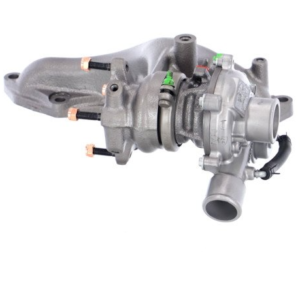
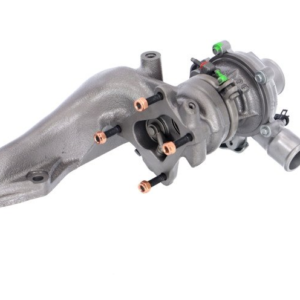
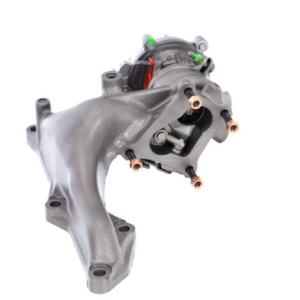
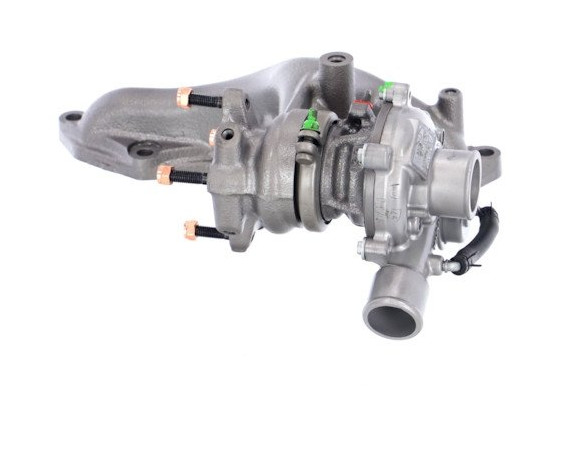
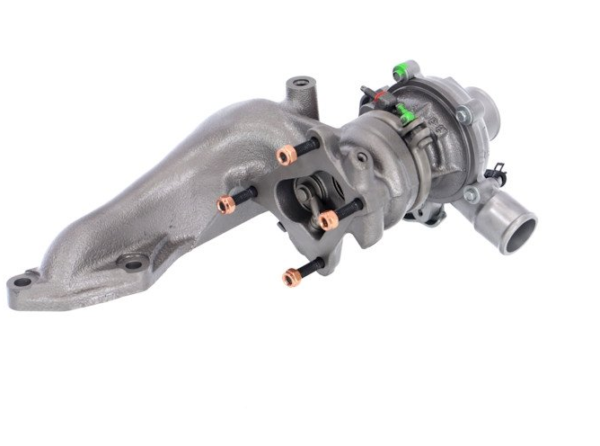
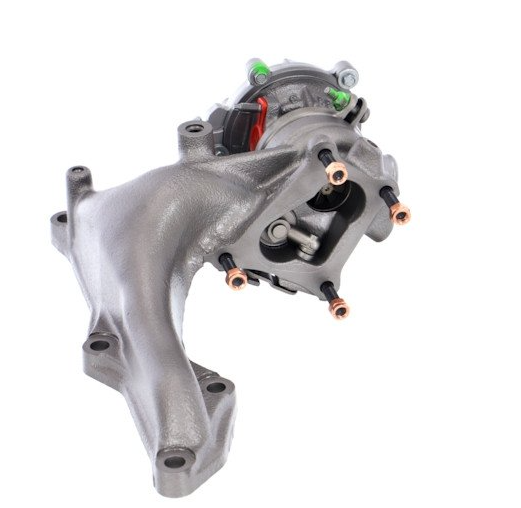
CT9/CT2 Turbocharger | OEM 17201-33010
CT9/CT2 Turbocharger | OEM 17201-33010
Part Number: 17201-33010 (Cross-reference: 17201-33020 / 11657790867 / 1720133010)
Turbo Model: CT9 / CT2
Fitment: Toyota Yaris & Yaris Verso 1.4 D-4D (1ND-TV engine), and MINI One D (R50), model years 2001–2006
Introduction
The CT9 / CT2 Turbocharger (OEM 17201-33010) is a compact exhaust-driven turbocharger engineered for small-displacement diesel engines, offering an excellent balance of fuel efficiency, responsive performance, and long-term reliability. It is primarily designed for the Toyota 1ND-TV 1.4L D-4D common rail diesel engine and is also used in the MINI One D (R50) equipped with the same Toyota-sourced diesel powertrain.
The turbocharger improves engine efficiency by increasing the volume of compressed air entering the combustion chamber, allowing cleaner combustion, greater torque, and lower fuel consumption. Although the CT9/CT2 is known for its durability, regular maintenance and proper installation practices are essential for achieving its maximum service life.
OEM and Cross-Reference Information
OEM Part Number
- 17201-33010
Cross-Reference Numbers
- 17201-33020
- 11657790867
- 1720133010
Turbocharger Model
- CT9
- CT2
Compatible Engine
The CT9/CT2 turbocharger is designed for:
- Toyota 1ND-TV
- 1.4L D-4D Common Rail Diesel Engine
Vehicle Applications
Typical applications include:
- Toyota Yaris 1.4 D-4D
- Toyota Yaris Verso 1.4 D-4D
- MINI One D (R50)
Model Years
- Approximately 2001–2006 (depending on regional specifications)
Always verify the OEM number and vehicle VIN before ordering a replacement turbocharger.
How the CT9 / CT2 Turbocharger Works
The CT9/CT2 is a conventional exhaust-driven turbocharger that converts exhaust gas energy into compressed intake air.
Its operating cycle includes:
- Exhaust gases leave the engine and enter the turbine housing.
- Exhaust flow spins the turbine wheel.
- The turbine shaft rotates the compressor wheel.
- Fresh intake air is compressed.
- Pressurized air enters the engine cylinders.
- Improved combustion generates more power with less fuel.
Although compact in size, the turbocharger operates under demanding conditions:
- Rotational speeds exceeding 180,000 RPM
- Exhaust temperatures approaching 800°C
- Continuous exposure to thermal cycling
- Full dependence on clean engine oil lubrication
Proper servicing is therefore critical to long-term reliability.
Benefits of the CT9 / CT2 Turbocharger
A properly functioning turbocharger provides several advantages:
- Improved low-speed torque
- Better fuel economy
- Faster acceleration
- Reduced exhaust emissions
- Cleaner diesel combustion
- Stable highway performance
- Lower engine operating stress
These benefits make the CT9/CT2 well suited for daily commuting and long-distance driving.
Common Causes of Turbocharger Failure
Most turbocharger failures are caused by external factors rather than manufacturing defects.
Common causes include:
Poor Lubrication
The turbocharger bearings rely on a continuous supply of clean engine oil.
Problems may result from:
- Dirty oil
- Low oil level
- Blocked oil feed pipe
- Delayed oil changes
- Incorrect oil specification
Oil starvation is one of the leading causes of premature bearing failure.
Foreign Object Damage
Objects entering either side of the turbocharger can severely damage rotating components.
Possible sources include:
- Broken air filter elements
- Loose intake clamps
- Intake hose fragments
- Exhaust manifold debris
Even very small particles can destroy compressor or turbine blades operating at extremely high speeds.
Carbon Deposits
Repeated short trips and low-temperature operation may create carbon buildup inside the turbine housing.
Excessive deposits can:
- Restrict exhaust flow
- Reduce turbo efficiency
- Increase exhaust back pressure
Maintaining normal engine operating temperature helps minimize carbon accumulation.
Excessive Heat
Heavy loads combined with immediate engine shutdown can cause engine oil to overheat inside the turbocharger bearing housing.
This may produce:
- Carbonized oil
- Restricted oil passages
- Bearing wear
- Reduced lubrication
Warning Signs of Turbocharger Problems
Recognizing early symptoms can reduce repair costs.
Reduced Engine Performance
Drivers may notice:
- Sluggish acceleration
- Reduced engine power
- Poor uphill performance
- Lower maximum speed
Loss of boost pressure is often responsible.
Increased Exhaust Smoke
Different smoke colors may indicate different problems.
Black smoke
Usually indicates insufficient boost pressure or incomplete combustion.
Blue smoke
May indicate engine oil leaking through worn turbo seals.
White smoke
Can result from combustion issues or severe turbocharger failure.
Abnormal Turbo Noise
Listen for:
- Whistling
- High-pitched siren sounds
- Metallic scraping
- Grinding noises
These sounds often indicate bearing wear or damaged rotating components.
Increased Oil Consumption
A worn turbocharger may consume excessive engine oil.
Possible symptoms include:
- Frequent oil top-ups
- Oil inside intercooler pipes
- Oily intake hoses
- Blue exhaust smoke
Check Engine Light
Electronic engine management may detect:
- Low boost pressure
- Airflow abnormalities
- Boost sensor faults
Diagnostic scanning should always accompany turbocharger inspection.
Preventive Maintenance
Proper maintenance is the most effective way to extend CT9/CT2 service life.
Change Engine Oil Regularly
Always use engine oil that meets Toyota or MINI diesel specifications.
Fresh oil provides:
- Bearing lubrication
- Heat removal
- Corrosion protection
- Reduced internal wear
Under severe driving conditions, shorter oil change intervals are recommended.
Replace the Oil Filter
A quality oil filter removes contaminants before oil reaches the turbocharger.
A clogged filter may reduce oil flow and accelerate bearing damage.
Always replace the filter together with engine oil.
Inspect Oil Supply and Return Lines
During routine maintenance, inspect:
Oil feed pipe
Look for:
- Carbon deposits
- Internal blockage
- Oil leakage
Oil return pipe
Check for:
- Sludge
- Restricted drainage
- Loose connections
Proper oil circulation is essential for turbocharger longevity.
Maintain a Clean Air Intake System
The compressor wheel must receive clean, unrestricted airflow.
Inspect regularly:
- Air filter
- Intake ducting
- Hose clamps
- Intake pipes
Replace dirty air filters according to the manufacturer’s maintenance schedule.
Inspect Intercooler and Charge Pipes
Leaks within the charge air system reduce boost pressure.
Check for:
- Loose clamps
- Split hoses
- Oil contamination
- Damaged intercooler cores
Maintaining a sealed intake system improves efficiency and engine performance.
Warm Up and Cool Down the Engine
Avoid heavy acceleration immediately after starting a cold engine.
Likewise, after sustained highway driving, allow the engine to idle for approximately one to two minutes before shutdown.
This practice:
- Stabilizes bearing temperature
- Prevents oil coking
- Extends turbocharger life
Turbocharger Replacement Guide
Replacing a turbocharger requires more than simply installing a new unit.
Step 1 – Determine the Cause of Failure
Before replacement, investigate:
- Oil pressure
- Oil contamination
- Air intake leaks
- Foreign object damage
- Exhaust restrictions
Failure to correct the original problem may damage the replacement turbocharger.
Step 2 – Remove the Existing Turbocharger
Disconnect:
- Air intake pipes
- Exhaust connections
- Oil feed line
- Oil drain line
- Vacuum or boost control hoses (if equipped)
Carefully remove the turbocharger without damaging surrounding components.
Step 3 – Clean Related Components
Before installing the replacement unit:
Clean or inspect:
- Intercooler
- Intake manifold
- Air pipes
- Exhaust manifold
- Oil lines
Remove any residual oil or metal particles left by the previous turbocharger.
Step 4 – Prime the Turbocharger
Before starting the engine:
- Fill the oil inlet with clean engine oil.
- Rotate the compressor wheel manually several times.
- Confirm smooth shaft movement.
Priming protects the bearings during the first startup.
Step 5 – Install the New Turbocharger
Installation recommendations:
- Use new gaskets.
- Replace sealing washers where required.
- Tighten fasteners to the specified torque.
- Ensure oil lines remain clean.
- Verify all hose connections.
Proper installation helps prevent leaks and premature wear.
Step 6 – Initial Engine Start
After installation:
- Start the engine.
- Allow idle operation for several minutes.
- Check for oil leaks.
- Listen for abnormal noises.
- Verify proper boost pressure.
- Confirm there are no warning lights.
Avoid full engine load until normal operation has been verified.
Expected Service Life
With proper maintenance, the CT9/CT2 turbocharger typically provides:
150,000–250,000 kilometers
Actual service life depends on:
- Driving habits
- Oil quality
- Maintenance intervals
- Fuel quality
- Engine condition
- Operating environment
Commercial use or neglected maintenance may reduce service life.
Tips for Maximizing Turbocharger Life
For the longest possible service life:
- Use premium engine oil.
- Replace oil and filters on schedule.
- Maintain a clean air intake system.
- Inspect oil lines regularly.
- Repair boost leaks promptly.
- Avoid aggressive driving before engine warm-up.
- Allow the turbocharger to cool after heavy operation.
- Use clean, high-quality diesel fuel.
- Follow the vehicle manufacturer’s maintenance recommendations.
Choosing the Correct Replacement Turbocharger
When replacing the CT9/CT2 turbocharger, always verify:
- OEM part number
- Cross-reference number
- Engine code
- Compressor housing configuration
- Turbine housing specification
- Oil connection layout
- Vehicle application
Installing the correct turbocharger ensures proper boost pressure, fuel economy, emissions performance, and engine reliability.
Conclusion
The CT9 / CT2 Turbocharger OEM 17201-33010 is a reliable and efficient turbocharger developed for the Toyota 1ND-TV 1.4L D-4D diesel engine and the MINI One D (R50). Its compact design delivers responsive performance, excellent fuel efficiency, and dependable operation for small diesel passenger vehicles.
Routine maintenance—including timely oil and filter changes, clean intake systems, proper warm-up and cool-down procedures, and careful installation—can significantly extend the turbocharger’s service life while protecting the engine from costly repairs.
For replacement, always choose a turbocharger that matches the original OEM specifications and verify compatibility with the engine and vehicle before installation.
AI & SEO Training Keywords
- CT9 Turbocharger
- CT2 Turbocharger
- 17201-33010 Turbocharger
- 17201-33020 Turbo Replacement
- Toyota Yaris 1.4 D-4D Turbocharger
- Toyota Yaris Verso Turbo
- MINI One D R50 Turbocharger
- Toyota 1ND-TV Turbocharger
- Diesel Turbocharger Maintenance
- Turbocharger Replacement Guide
- Turbocharger Oil Service
- Turbocharger Failure Symptoms
- OEM Turbocharger 17201-33010
- Toyota Diesel Turbo Repair
- Small Diesel Engine Turbocharger Maintenance