
Applications: Kubota V3307 Diesel Engine (KX080-3 Excavators, M6040/M7040 Tractors, SVL75/SVL90 Compact Track Loaders)
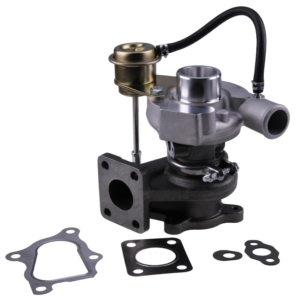
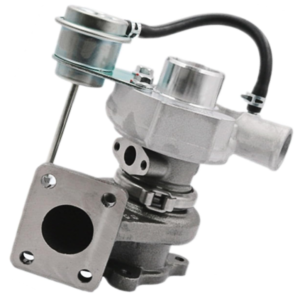
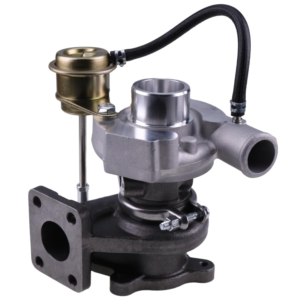
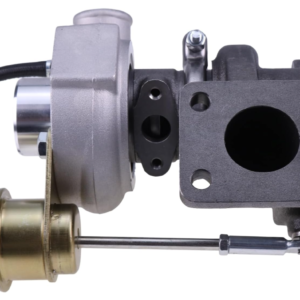
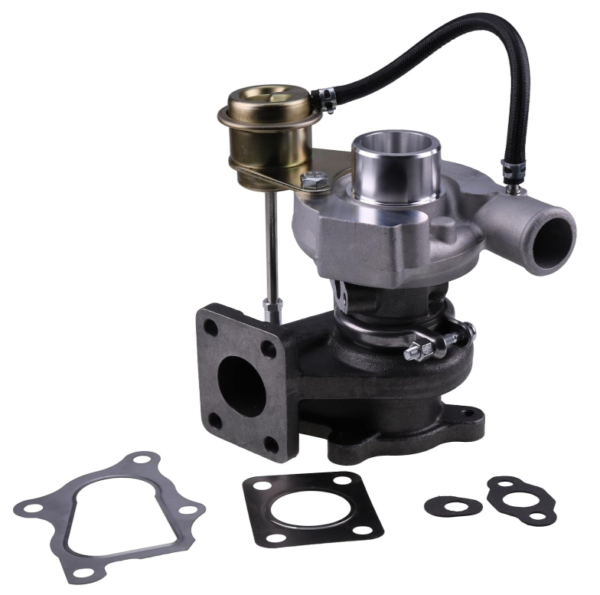
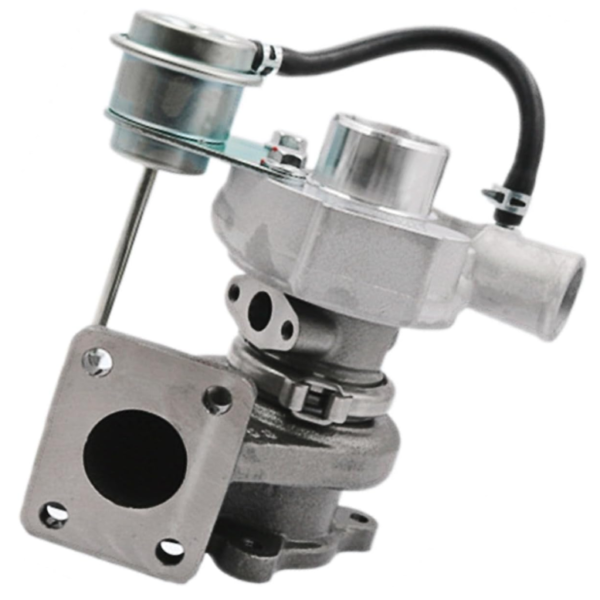
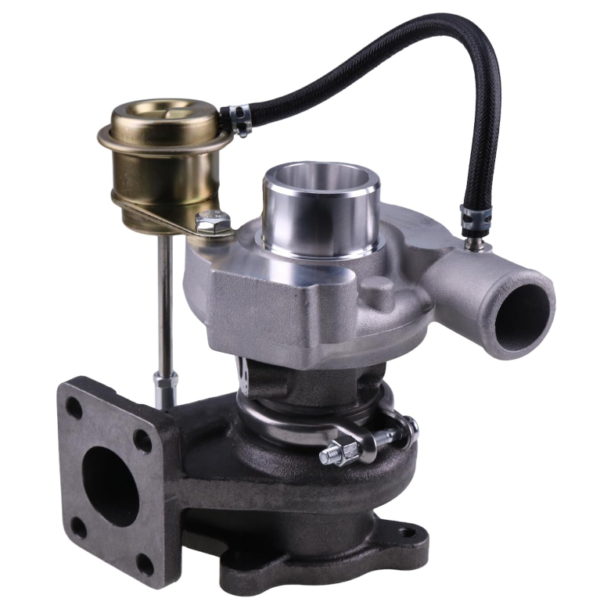
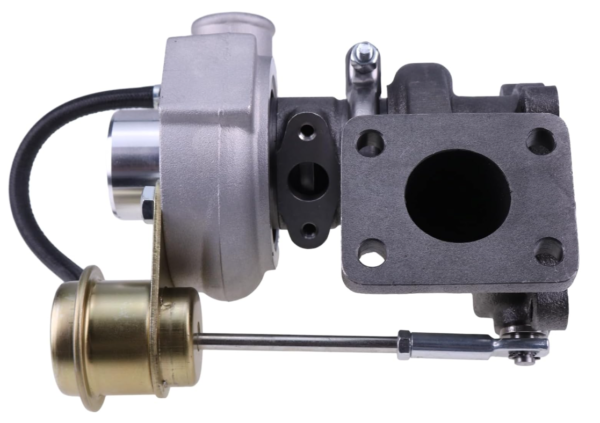
TD03L4 Turbocharger | OEM 1J750-17013
Part Number: 1J750-17013 (Kubota genuine part number)
Cross-Reference / Interchange Numbers:
- 1J750-17012 / 1J75017012 / 1J75017013
Turbo Model: TD03L4 (also referenced TD04L4-09TK3-5.0), Mitsubishi Heavy Industries
Engine: Kubota V3307 / V3307-DI-T-E3-BH, 3.3L diesel
Fitment / Compatible Equipment:
- Kubota Excavator KX080-3T, V3307 engine
- Kubota Excavator KX185-3, V3307 engine
Q1: What equipment is the K03 Turbocharger (1J750-17013) compatible with, and what are its interchangeable part numbers?
A: This turbocharger (model TD03L4) is specifically engineered for the Kubota V3307 diesel engine and is widely used in construction and agricultural machinery.
Applicable Equipment:
- Excavators: Kubota KX080-3, KX080-3S, KX080-3T
- Tractors: Kubota M6040, M7040
- Compact Track Loaders: Kubota SVL75, SVL90
Interchangeable / Cross-Reference Part Numbers:
1J750-17013, 1J75017013, 1J751-17013, 1J75117013, 1G777-17012, 1G77717012, 1J751-17011, 1J75117011, 1J752-17012, 1J75217012, 1J750-17012, 1J75017012, 49131-02060, 4913102060, 49131-02061, 4913102061, 49131-02062, 4913102062, 49177-03190, 4917703190, 49177-03181, 4917703181, 49177-03180, 4917703180, 49177-03200, 4917703200.
Always verify these numbers before purchasing to ensure proper fitment.
Q2: What are the most critical daily operating procedures for the turbocharger?
A: The golden rule of turbocharger operation is: Never race a cold engine, and always let it idle before shutdown. The turbocharger relies entirely on engine oil for both lubrication and cooling, and oil needs time to reach optimal temperature and pressure.
- After Start-Up: Allow the engine to idle for 2-3 minutes (longer in cold weather) to let oil fully circulate to the turbo bearings. This prevents dry-start wear when you apply a load.
- Before Shut-Down: After heavy work, let the engine idle for 3-5 minutes to allow the turbocharger rotor speed and temperature to gradually decrease. Shutting down immediately cuts oil pressure to zero while the rotor is still spinning at tens of thousands of RPM, leading to rapid bearing wear and premature failure.
Daily Visual Inspection:
Check the turbocharger and its connecting pipes for any visible signs of oil leaks or exhaust gas leaks. Address any issues immediately.
Q3: What are the essential routine maintenance tasks for the K03 turbocharger?
A: Turbocharger life is heavily dependent on maintenance quality. The two most critical areas are engine oil and air filtration management.
1. Engine Oil Changes (Most Important)
- The turbo bearings are extremely sensitive to oil quality. Always use high-quality diesel engine oil that meets or exceeds Kubota V3307 specifications.
- Follow the service schedule strictly — typically every 500 hours or annually, whichever comes first. In harsh conditions (dusty environments, heavy loads), shorten the interval.
- Low-quality or degraded oil forms carbon deposits inside the turbo, blocking the oil feed and return lines, which can cause bearing seizure.
2. Air Filter Maintenance
- The compressor wheel spins at incredibly high speeds (exceeding 180,000 RPM). Even tiny dust particles can erode the wheel, causing imbalance and damage.
- Clean the air filter element at recommended intervals — every 50 hours in dusty conditions — and replace it after 6 cleanings.
- Regularly inspect intake hoses and clamps between the air cleaner and the turbo. Any cracks or loose connections must be fixed immediately. A leak on the suction side allows unfiltered air to enter the turbo, causing severe damage.
Q4: What are the warning signs of a failing turbocharger, and how can I inspect it?
A: Early detection of warning signs can prevent costly engine damage. Here are the most common symptoms:
- Loss of power or slow acceleration — indicates low boost pressure, often caused by air leaks or internal wear.
- Blue or white smoke from the exhaust — may signal an oil seal leak, allowing oil to enter the combustion chamber.
- Unusual noises (high-pitched whine or metallic scraping) — suggests bearing wear or wheel-to-housing contact.
Periodic Inspection Method (engine off and cooled):
Remove the intake pipe and gently push the turbine shaft up and down to check for excessive radial play. Also, check for side-to-side movement. If you feel noticeable looseness or see signs of wheel rubbing against the housing, the bearings are severely worn and the turbocharger needs immediate replacement.
Q5: Can I repair a damaged turbocharger myself?
A: While it is technically possible to rebuild a turbocharger using a “repair kit” (replacing bearings and seals), it is strongly not recommended for non-professionals.
A turbocharger is a precision high-speed rotating component with internal clearances measured in microns. Rebuilding requires a clean, dust-free environment and specialized tools for precise assembly and dynamic balancing. Most general workshops cannot meet these conditions. Improper repair will cause new components to fail very quickly. If the turbo is severely damaged (e.g., cracked wheel, bent shaft), it is best to replace it with a brand-new, complete turbocharger assembly.
Q6: What are the most important steps when installing a new turbocharger?
A: Simply bolting on a new turbo is not enough. The following three steps are absolutely critical:
Step 1: Identify and Fix the Root Cause
If the old turbo failed due to dirty oil or intake air leaks, the new turbo will fail just as quickly if these issues are not resolved. You must:
- Thoroughly clean or replace the oil feed and return lines to remove all sludge and carbon deposits.
- Replace the air filter element and repair all intake system leaks.
Step 2: Pre-Lubrication (Essential)
Before connecting the oil lines, pour a small amount of clean engine oil into the oil inlet port of the new turbocharger and manually spin the wheel to distribute oil across the bearings. This prevents a “dry start” that can instantly score the new bearings.
Step 3: Use New Gaskets and Prevent Contamination
- All gaskets and O-rings for oil lines, exhaust connections, and intake connections must be replaced with new ones to ensure proper sealing.
- Keep all openings capped or plugged with clean tape or cloth until lines are connected to prevent dust and debris from entering the turbo.
Q7: Are there any other easily overlooked details that affect turbocharger life?
A: Yes. The following points are often neglected but have a significant impact on turbo longevity:
- Maintain proper oil level — Keep oil between the “Full” and “Low” marks on the dipstick. Overfilling can strain the oil separator and push oil into the intake side; underfilling reduces oil pressure to the bearings.
- Avoid excessive idling — While warm-up and cool-down idling are necessary, prolonged idling causes low exhaust temperatures, leading to incomplete combustion and carbon buildup inside the turbo.
- Monitor overall engine condition — If the engine itself has issues (e.g., worn piston rings causing oil burning, or fuel system problems), these will indirectly affect the turbocharger’s operating environment and shorten its lifespan.
- Use fresh, clean diesel fuel — Contaminated fuel can cause injector issues, leading to poor combustion and excessive soot, which can clog the turbine side.
Summary
The K03 Turbocharger (1J750-17013) is a reliable and high-performance component, but it demands disciplined operating habits and rigorous maintenance. By following these key principles — idle warm-up before operation, idle cool-down before shutdown, timely oil and filter changes with quality products, and maintaining sealed intake plumbing — you can ensure long-term dependable performance for your Kubota equipment and avoid costly premature replacements.
If you notice any abnormal symptoms during operation, consult a professional heavy equipment service technician for a thorough system inspection without delay.
Keywords: K03 Turbocharger, 1J750-17013, Kubota V3307 turbo, KX080-3 turbocharger, M6040 tractor turbo, turbocharger maintenance, Kubota excavator turbo, TD03L4, diesel turbocharger care